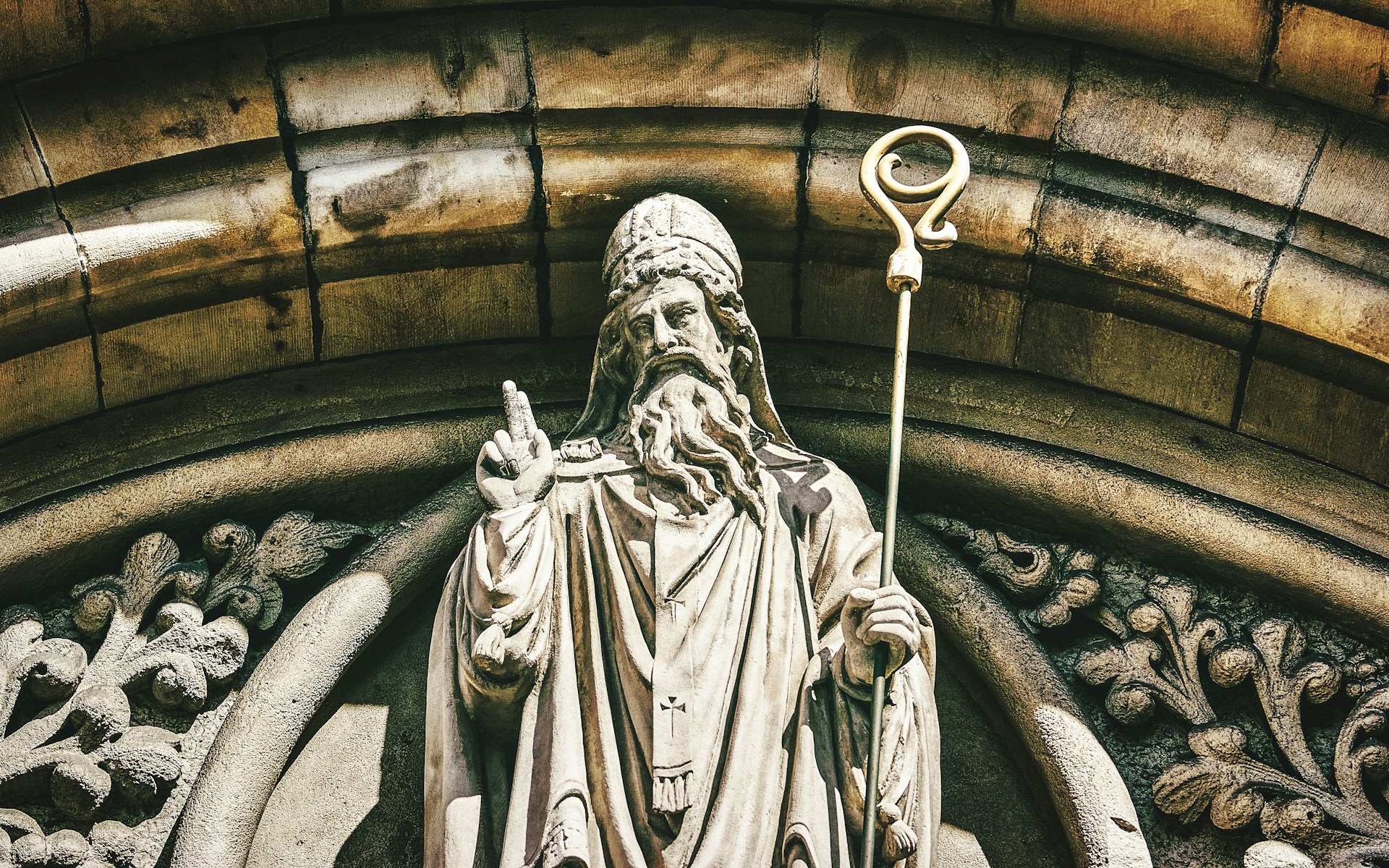
Picture you’re raising a glass of green beer, but have you ever wondered where it all started? Let’s dive into the St. Patrick’s Day history in Mashpee, Massachusetts, together. It begins in Ireland around the 5th century. A young man named Patrick was born in Roman Britain in 387 AD. Kidnapped by pirates at 16, he ended up as a slave in Ireland, tending sheep. Those lonely days led him to faith, and he escaped after six years.
Patrick returned later as a missionary. He used the shamrock, a simple three-leaf plant, to explain the Holy Trinity to the Irish people. Legends say he drove snakes out of Ireland, too, though that’s more story than fact. He died on March 17, 461 AD, and that date became his feast day. By the 10th century, the Catholic Church made March 17 an official holiday. That’s the root of St. Patrick’s Day history—a mix of faith, survival, and Irish spirit.
Fast forward to America. Irish folks fleeing the potato famine in the 1840s brought the celebration here. The first U.S. parade happened in New York City on March 17, 1762. It grew from quiet church services to big street parties. Today, St. Patrick’s Day history reminds us of resilience and pride.
St. Patrick’s Day Traditions Explained
Ever ask yourself why we celebrate St. Patrick’s Day? It’s not just about green outfits or parades. At its heart, it’s about honoring Saint Patrick and Irish culture. St. Patrick’s Day traditions start with simple symbols. The shamrock stands for the Trinity. Green dye turns rivers and beer that color for fun. Leprechauns? They’re from old folklore—mischievous fairies guarding gold pots.
Food plays a big role, too. Corned beef and cabbage became a staple in America because Irish immigrants swapped pricey bacon for affordable beef. Potatoes, soda bread, and Irish stew fill tables. Music keeps it lively: think fiddles, accordions, and reels that make you want to dance a jig.
St. Patrick’s Day traditions also include wearing green to avoid pinches (an old superstition). Pins once marked non-believers for fairies to spot. Now, it’s playful. Parades feature bagpipes, dancers, and floats. And yes, that pint of Guinness nods to Ireland’s famous stout.
Celebrating in Mashpee, Massachusetts
Now, let’s bring it home to Mashpee, Massachusetts, right on Cape Cod. This coastal town, with its mix of beaches, woods, and welcoming vibe, is perfect for St. Patrick’s Day traditions. Imagine gathering with friends at local spots wearing green, sharing stories of St. Patrick’s Day history. Mashpee offers easy ways to mark the day without the big-city crowds.
Start your morning with a walk along Mashpee Commons, the open-air shopping area at 6 Falmouth Road. Grab coffee and Irish scones from a cafe, chatting about why we celebrate St. Patrick’s Day. The area’s shops often display shamrocks and Celtic art, setting a festive mood.
Head to a nearby pub for lunch. Try cored beef specials or shepherd’s pie, paired with live acoustic sets of Irish tunes. Evenings call for home gatherings. Cook up colcannon (mashed potatoes with greens) and play traditional music playlists. St. Patrick’s Day traditions explained come alive here—simple, heartfelt fun.
Mashpee‘s community spirit shines. Visit the Mashpee Wampanoag Tribe cultural sites for a deeper cultural layer, blending histories. Dye your food green, tell leprechaun tales to kids, or watch a classic Irish film. It’s all about connection.
Why St. Patrick’s Day Thrives Today
St. Patrick’s Day history lives on because it unites people. From Ireland‘s hills to Mashpee‘s shores, it celebrates heritage, luck, and joy. Whether you’re Irish or not, the day invites everyone. Join your community in celebrating the season—raise a toast, share a laugh, and carry that emerald spirit forward.
Sources: northjeffersonchamber.com, theirishroadtrip.com, tagvault.org
Header Image Source: K. Mitch Hodge on Unsplash